
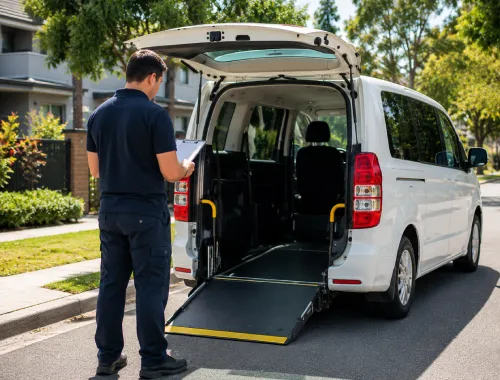
Accessible Travel Planning Monash
Accessible Travel Planning Monash
A smoother accessible trip starts before the vehicle arrives, especially when the passenger uses a wheelchair, mobility scooter, or needs support from a carer.
Travelling around the City of Monash should feel organised, respectful, and easy to understand. Whether the trip is for a local appointment, family visit, school run, aged care journey, or airport transfer, the right preparation can make the whole experience more comfortable for everyone involved.
Monash Wheelchair Cabs helps wheelchair passengers, families, carers, support workers, and agencies arrange accessible transport with clear booking details and practical communication. Good planning helps the driver understand the passenger’s needs, choose the right booking arrangement, and reduce delays on the day.
Why Accessible Travel Planning Matters
Accessible travel is not the same as booking a standard ride. A wheelchair passenger may need extra loading time, enough space for a mobility device, room for a carer, or clear pickup access. These details can affect timing, vehicle suitability, and the overall comfort of the journey.
When booking details are rushed or incomplete, simple issues can become stressful. The pickup point may be hard to access. The wheelchair type may not be clear. A return trip may be needed but not arranged. A support person may need to travel, but the passenger count may not be shared.
Good accessible travel planning Monash customers can rely on starts with one clear goal: give the booking team enough information to arrange the trip properly.
Share the Wheelchair or Scooter Type
One of the most important details is the mobility device being used. Manual wheelchairs, electric wheelchairs, mobility scooters, and larger wheelchairs may all have different space and access needs.
When booking, share the wheelchair or scooter type clearly. It also helps to mention if the chair is larger than usual, has special attachments, or if the passenger needs extra time when entering or exiting the vehicle.
Monash Wheelchair Cabs can support many wheelchair and scooter users, with suitability depending on safe vehicle fit and booking details. Clear information helps avoid confusion and supports a safer, more comfortable trip.
Plan the Pickup and Drop-Off Clearly
Pickup and drop-off details matter more than many people realise. A street address alone may not always be enough, especially near medical centres, aged care homes, schools, hospitals, shopping areas, or larger buildings.
Useful details may include the building entrance, unit number, driveway access, reception area, pickup bay, gate code, or whether the passenger will be waiting indoors or outside.
For drop-offs, it is helpful to explain where the passenger needs to be taken. Some passengers may need to arrive at a clinic entrance, hospital reception, aged care facility, school office, or airport terminal area. Clear instructions help the driver plan the trip with fewer delays.
Allow Extra Time for Important Trips
Some trips have strict arrival times. Medical appointments, hospital visits, school runs, airport transfers, and agency-arranged bookings often need careful timing.
For these trips, it is better to plan early rather than leave everything to the last moment. One-day advance booking is preferred where possible. Same-day bookings may be available, but they depend on availability.
Planning ahead gives more time to confirm the passenger’s needs, pickup location, wheelchair type, support person details, and any return journey. It also helps reduce stress for families, carers, and passengers who need the trip to run smoothly.
Include Carers, Family, or Support Workers
Many wheelchair passengers travel with a carer, support worker, family member, or companion. This should be mentioned at the time of booking.
Passenger numbers are important because they help confirm the right travel arrangement. With one wheelchair, up to six passengers may be able to travel. With two wheelchairs, up to five passengers may be able to travel. Final suitability depends on the booking details and safe vehicle arrangement.
Sharing this information early helps avoid last-minute confusion and makes the trip easier for everyone.
Think About Return Trips Before Booking
Many accessible trips are not one-way. A passenger may need to return home after an appointment, school day, hospital visit, shopping trip, or airport journey.
If a return trip is needed, it is better to mention it when making the original booking. Even if the exact return time is not fully clear, sharing the expected timing helps the booking team understand the full journey.
For medical appointments and hospital visits, return times may change. In these situations, clear communication is important. Let the team know the appointment type, estimated duration, and whether someone will call when the passenger is ready.
Share Support or Special Requirements
Accessible travel is easier when the driver understands any practical support needs before arriving. This does not mean personal care or medical care. It simply means transport-related details that may affect the trip.
Helpful details may include mobility limitations, communication needs, behavioural concerns, extra time required, whether the passenger becomes anxious during travel, or whether a support person will assist at pickup and drop-off.
These details help make the booking more respectful and organised. They also help avoid surprises on the day.
Keep Payment and Program Details Ready
Some passengers may use MPTP cards, TAC-related bookings, WorkSafe-related bookings, or NDIS transport support arrangements. These details should be discussed when booking so the right information can be prepared.
Because payment and eligibility can depend on the passenger’s situation, it is best to share the relevant details early. This helps the booking team guide the conversation clearly and avoid unnecessary back-and-forth.
Choose Local Knowledge When It Matters
Local knowledge can make accessible travel easier. The City of Monash includes busy areas such as Clayton, Glen Waverley, Mount Waverley, Mulgrave, Oakleigh, Wheelers Hill, and nearby suburbs with medical, aged care, school, shopping, and transport destinations.
A Monash-focused provider understands the importance of local timing, common trip types, and clear communication for wheelchair passengers. This is especially helpful for families, carers, agencies, and regular passengers who want a dependable local booking experience.
A Simple Checklist Before You Book
Before arranging accessible transport, prepare these details:
- Pickup and drop-off address
- Date and time of travel
- Wheelchair or mobility scooter type
- Number of passengers travelling
- Carer or support person details
- Return trip requirement
- Payment or program details, if applicable
- Any mobility, communication, or support requirements
Having these details ready makes the booking faster, clearer, and more useful.
Travel With More Confidence Around Monash
Accessible travel should feel clear from the first conversation. When the right details are shared early, passengers, families, carers, and support workers can feel more confident about the journey.
Monash Wheelchair Cabs provides wheelchair-focused transport across the City of Monash, with experienced drivers, 24/7 advance booking options, and same-day bookings subject to availability. For urgent bookings, calling is the best option during phone support hours from 7 am to 6 pm.
To arrange a smoother accessible trip, contact Monash Wheelchair Cabs or send the booking details through the website form. Share the trip information clearly, and the team will help make the booking process simple.